Posts

Showing posts with the label Plastic Injection

The Plastic Injection Molding Basics

Image
The plastic injection molding process begins with generating the product design, followed by tooling a mold to fit the product design, melting the plastic resin pellets, and injecting the molten pellets into the mold using pressure. Steps Designing the Product Designers build a part using fundamental design rules related to the injection molding method. Create a Tooling Mold to Fit the Product Design Highly trained machinists and toolmakers use the product design to create a tooling mold for the injection molding machine. A tooling mold, also known as a tool, is the heart and soul of an injection molding machine. They are meticulously built to house the negative cavity for the product design as well as extra features including sprues, runners, gates, vents, ejector systems, cooling channels, and moving components. Tooling molds are constructed from steel and aluminum grades that can survive tens of thousands of heating and cooling cycles. Mold manufacturing can take up to 20 weeks to c...
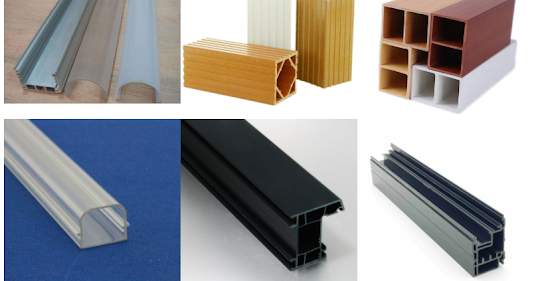
Plastic Extrusion is used in a Wide Range of Industries and Applications

Image
Plastic extrusion is a manufacturing process used to create objects with a fixed cross-sectional profile. It involves pushing raw plastic material through a heated barrel, and then forcing it through a die to form the desired shape. Here's a breakdown of the process: Raw Material Preparation : Plastic pellets or granules are fed into a hopper. The material can be virgin resin or recycled plastic. Melting : The plastic material is fed into an extruder, which consists of a rotating screw inside a heated barrel. As the screw turns, it applies heat and pressure to melt the plastic. Extrusion : Once melted, the plastic is forced through a die, which determines the shape and size of the final product. The die is typically custom-made to produce specific profiles such as tubes, pipes, rods, or sheets. Cooling : After exiting the die, the plastic is cooled using air or water to solidify its shape. Cooling is crucial to maintain the desired dimensions and structural integrity of the produc...

The Vital Role of Quality Aspect in Plastic Injection

Image
In the Plastic Extrusion Process, raw plastic material is melted and then forced through a die to form a continuous profile. The efficiency, affordability, and consistency of the produced complicated forms make this method a popular choice across a wide range of sectors. Quality Control Is Crucial for Plastic Extrusion Plastic extrusion quality control is a complex process that aims to guarantee that the final product fulfills strict quality requirements. The following salient features underscore the significance of quality control in this production process: Content Management The key to a successful extrusion process is the quality of the raw plastic material. The first step in quality control is to thoroughly examine and analyze the incoming raw materials to ensure that they are pure, consistent, and meet all required criteria. This contributes to fault prevention and extrusion process stability. Procedure Observation It is essential to continuously monitor the plastic extrusion Ch...